Introduction
Uruguay is one of the most stable and predictable countries in Latin America and offers an attractive tax regime for international business, especially through its free port system. This regime, unique in the region, is designed to facilitate and promote international trade, attract investment, and stimulate economic growth. This type of regime is regulated by Law 16.246, Law 19.276, Decree 455/94, Decree 412/92, and Decree 99/2015.
Uruguay’s free port: an overview.
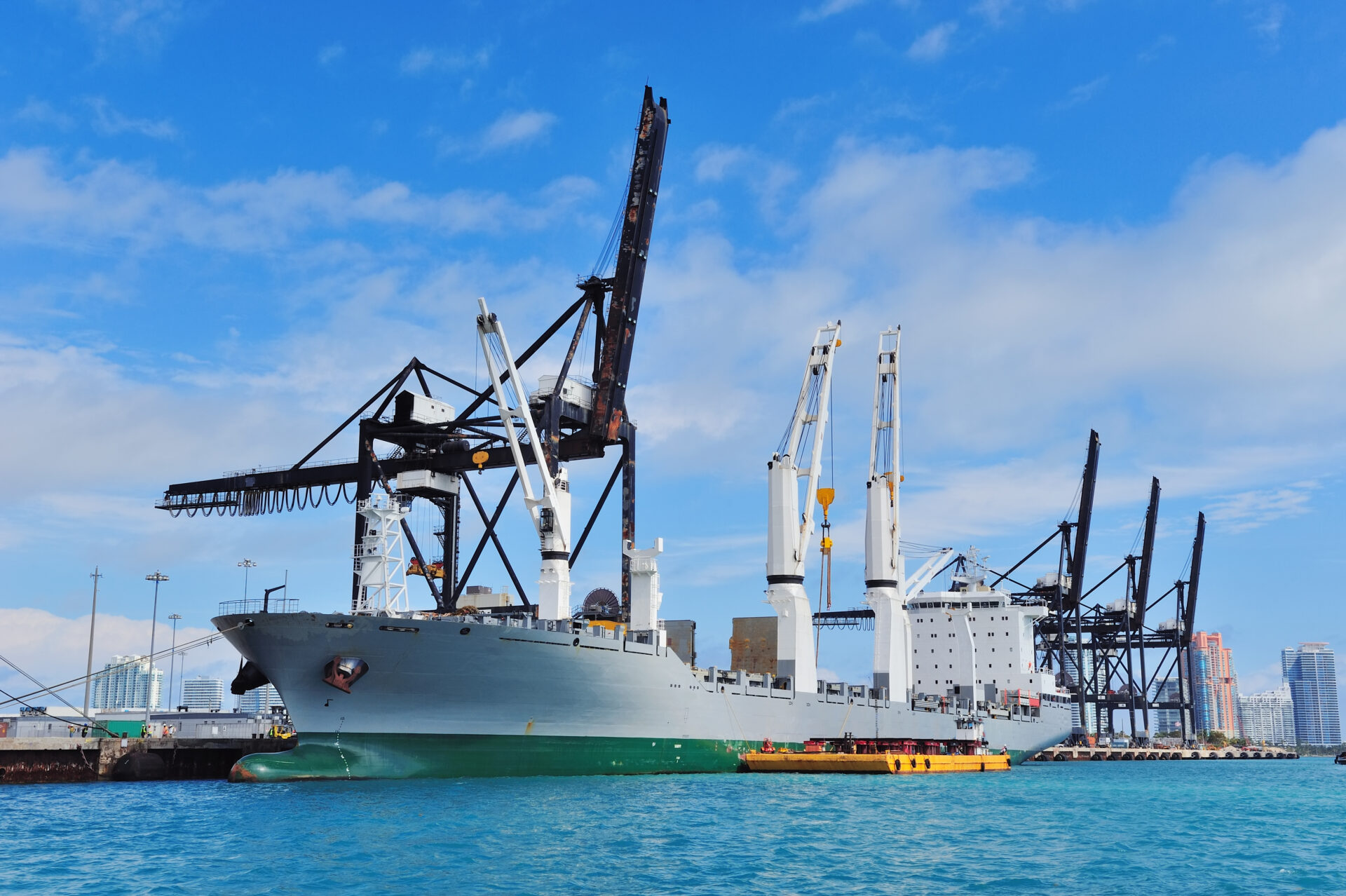
Free ports are port customs areas where special tax and customs regimes established in the Ports Law are in force, and where, provided that the physical and organizational conditions necessary in the National Customs Bureau’s opinion are met, there is free circulation of goods without the need for authorizations or formal procedures. The free port system in Uruguay, with its epicenter in Montevideo and other parts of the country, allows goods to be stored, handled, and even transformed, without incurring national taxes. This regime favors goods in international transit.
Permitted activities
The activities permitted in port customs areas are the following:
- Activities related to the merchandise: those that, without altering their nature, may add value to it, modify its presentation, or implement its free disposal or destination, within the framework of the treatments allowed by the Ports Law, its regulations, and other applicable laws and rules.
- Activities related to or associated with the services provided to the merchandise: in addition to conventional loading, unloading, stowage, unstowage, and mobilization of packages, the following are possible: transportation, transshipment, reloading, transit, removal, warehousing, storage, disposal, ship supply, naval repairs, and other services related to port and free port activities. Within port customs areas, only activities, constructions, or installations consistent with port uses, planning, and applicable legislation, regulations, and complementary rules may be carried out by private individuals. In particular, the following are prohibited: those installations or constructions intended for permanent residence or habitation; overhead installation of high-voltage power lines; installation or laying of any overhead or underground lines or advertising of any kind, not authorized by the Port Administration; retail trade; restaurants (except dinners for staff or in maritime stations); consumption and use of goods not declared for customs purposes; any sale or commercial transaction to or for vessels or public or private persons in the customs area, by captains in command, crews, and passengers of vessels or persons not expressly authorized for this purpose by the Port Administration.
Benefits of the free port tax regime:
Uruguay’s free port regime offers several benefits. The main ones are:
- Merchandise tax exemption: No direct or indirect taxes are levied on stored goods. These include VAT, customs duties, and any other taxes on the import, export, or re-export of goods.
- Exemption from the Tax on Income from Economic Activities (IRAE) for companies operating under this regime, provided that no more than 5 % of their income is derived from sales in Uruguay, or at least 95 % comes from foreign sales.
- Exemption from Wealth Tax (IP) for goods deposited under the free port regime.
- Operational flexibility: Goods can be stored indefinitely, and their manipulation, transformation, and fractionation are allowed.
- Legal and economic security: Uruguay is recognized for its legal security and economic stability, key factors for international investors.
- The free port system has helped position Uruguay as a regional logistics hub. It has attracted foreign direct investment and generated employment, boosting sectors such as logistics and warehousing.
Final considerations
Uruguay’s free port regime has proven to be an engine of growth and development. As the country seeks to diversify its economy and strengthen its position in international trade, this system will continue to play an essential role. For those looking to do business in Uruguay or use the country as a transit point for international trade, understanding the free port regime is critical. With significant tax benefits and strong legal and economic security, Uruguay stands out as a strategic trading partner in Latin America.